
Alignment angles and suspension condition work together to affect steering response, tire contact, stability, and ride quality. Star Body Works inspects the concern and explains whether the next step involves adjustment, component repair, collision-related work, or another service.
Learn more about Suspension & Alignment.
Correct alignment can help a vehicle travel straight and respond predictably.
Proper geometry and sound components support more consistent tire contact.
Addressing worn or damaged suspension parts can reduce bouncing, vibration, and instability.
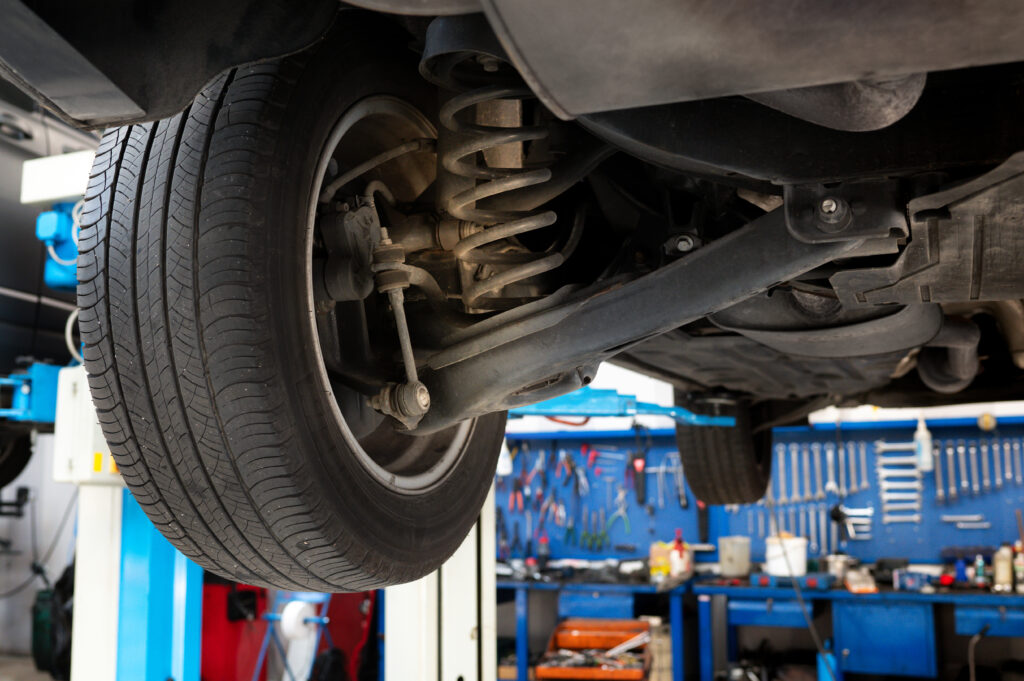
Measure key angles and compare them with applicable specifications.
Check shocks, struts, control arms, bushings, and related parts.
Inspect linkage and components connected to steering response.
Use wear patterns as evidence of possible alignment or suspension concerns.
Look for hidden changes after an impact when relevant.
Confirm handling and review the completed work.
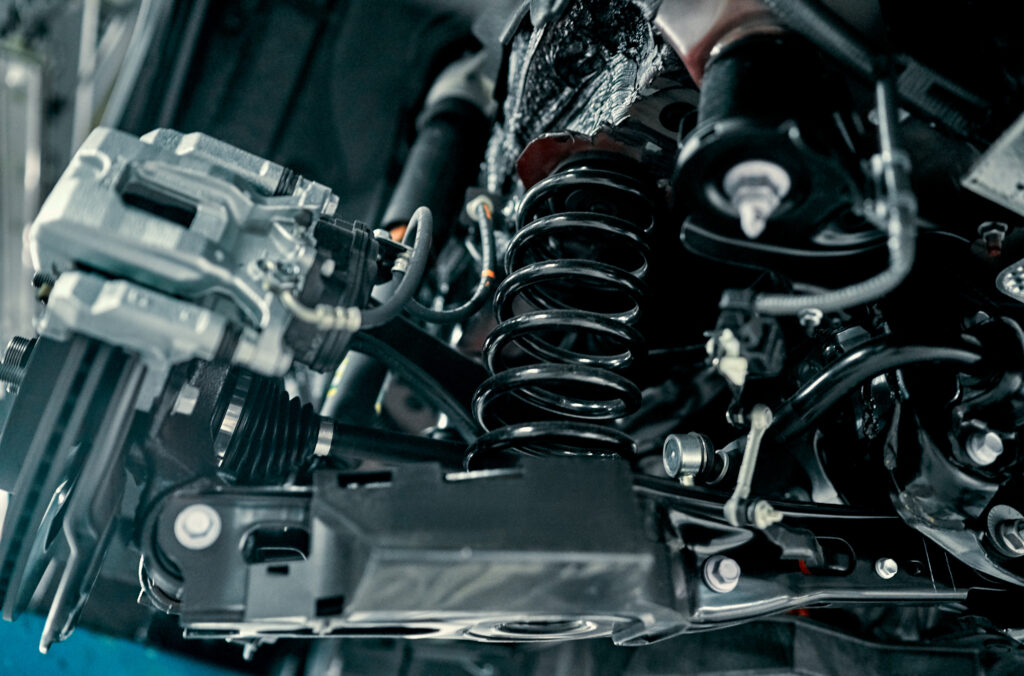
An alignment adjustment alone cannot correct damaged or excessively worn parts. The vehicle may need component repair before final alignment. Tire condition, ride height, prior damage, and calibration requirements can also affect the plan.
Star Body Works can coordinate suspension and alignment with collision repair, calibration, brakes, tires, and glass work. That connected approach is useful when handling problems follow an impact or involve modern safety systems.

Describe the vehicle, symptom, damage, and recent work.
The team evaluates the condition and defines the appropriate service path.
Trained technicians perform the repair or service and required checks.
The result and relevant next steps are explained before vehicle delivery.
Pulling, an off-center steering wheel, uneven tire wear, or changed handling can justify an inspection.
Yes. An impact can change alignment or damage components even when exterior damage looks limited.
No. Worn or damaged parts may need repair before alignment can be set and maintained correctly.
Some vehicles may require calibration after certain alignment, suspension, or collision repairs. The team will explain when it applies.
Share the vehicle, concern, recent work, and any changes you have noticed so the team can identify the appropriate next step.